If a landlord agrees with the creditor to not modify the lease without the written consent of the creditor, the tenant is not obligated to do so unless they give their consent.
The value of a commercial building often lies in the quality and ability of its tenants to respect their commercial lease.
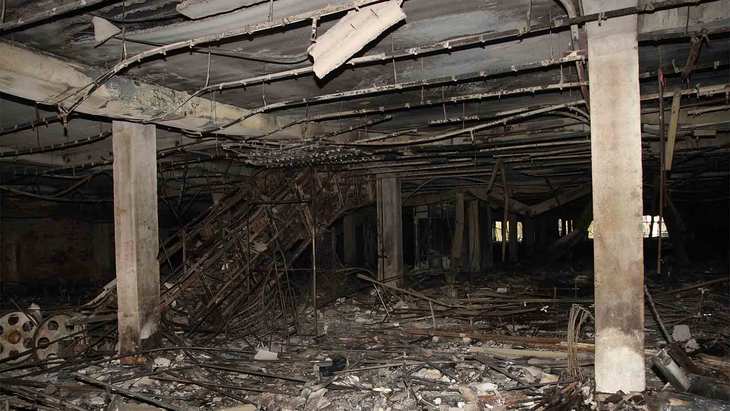
The owner of a commercial building, after signing a lease for a period of 10 years with a wealthy tenant, mortgages this building. The landlord agrees with the creditor not to modify the lease without the written consent of the latter, consent that cannot be refused without reasonable grounds. Three years go by, a fire severely damages the building. Although he does not use the building, the tenant continues to pay the rent for two more years. The parties then agree to terminate the lease and the tenant pays the landlord over $1,000,000 at that time.
The creditor goes to court to obtain that the tenant pays him the equivalent of the remaining debt that the landlord owes. The court rules that regardless of whether the tenant acted in bad faith, which has not been proven, the tenant cannot be held responsible for the landlord's debt. The tenant never expressly consented to replace the landlord "in its obligation resulting from the loan contract" with the creditor.
When the value of a commercial lease plays an essential role in the granting of a loan, should the creditor not require, from both parties to the lease, a written commitment stating that they cannot change the terms of this lease without obtaining prior approval from the creditor.
Remember, it is better to seize the opportunity than to have the opportunity to seize stolen from you.
*CA 500-09-012922-027, 2004-12-03